

6 min read
I spent years chasing a version of fitness that was more illusion than reality. running on the treadmill of Wall Street, I believed that working longer and harder was the ticket to success. Spoiler: it wasn’t. Burnout hit before I turned 34. That was my wake-up call. I realized fitness was not just a physical pursuit but a holistic one, intertwined with mental resilience and emotional stability. Most people think improving fitness is about more reps, more miles, more sweat. But that’s not it. At least not entirely.
Quick answer: fitness personal development extends beyond physical activity to include mental resilience and emotional stability. It's about shifting mindset, focusing on identity over tactics, and celebrating small wins. Consistency, rest, and nutrition are key components for sustainable growth.
Key takeaways:
By reading this, you’ll get a deeper look into how mindset shapes fitness and how fitness, in turn, shapes your life. You’ll see why it’s not about doing more, but doing differently. And maybe, just maybe, you’ll see a reflection of your own struggles and find a new way through. Let’s dive in.
The fitness mindset shift
fitness Starts in Your Head
Here’s the thing most people miss: fitness is not just about your body. It’s a mindset. I got this wrong for a long time, thinking that physical exertion was the main event. But the mind sets the stage. Take Olympic athletes — they visualize their performances repeatedly before stepping onto the actual field. A study published in the Journal of Sports Sciences found that mental training can enhance performance by improving focus, reducing anxiety, and increasing confidence. start with this: visualize your fitness goals daily. Imagine the process, the struggles, the small victories. This mental rehearsal conditions your brain for real-world execution.
Identity Over Tactics
I used to think this was about discipline. I was wrong. Or half-wrong. discipline matters, but identifying as someone who values fitness is more potent. When you see yourself as a fit person, choices align naturally. You don’t skip workouts because it’s part of who you are, not just what you do. It’s identity architecture, not motivation. Write that down. Seriously. Consider it the blueprint for your actions. It’s not about the tactics — it’s about who you’re becoming in the process.
The Power of Small Wins
Most people stop here. That is the mistake. They aim for the big transformation, the six-pack, the marathon medal. Instead, focus on small, achievable goals. A Stanford study found that people who celebrated small wins were 20% more likely to stick with new habits. It’s not about running a marathon tomorrow but running an extra five minutes today. These victories are cumulative. They build momentum, and momentum is everything. It’s the silent force behind sustainable change.
building fitness techniques
Consistency Over Intensity
The data does not care about your feelings. A 2019 UCL study tracked 96 people over 12 weeks and found that the median time for habit formation was 66 days, not the 21 days often cited. Consistency beats intensity. Most of us burn out by pushing too hard, too fast. start small, but be relentless. If you’re running, focus on running consistently three times a week rather than sprinting five miles once a week. This isn’t about the immediate gains; it’s about the long-lasting results.
The Role of Rest
I got this wrong for years. In my Wall Street days, rest felt like a luxury I couldn’t afford. Yet, rest is a pillar of building fitness. It’s during rest that your body repairs and grows. A study from the Journal of Applied Physiology highlights that rest not only prevents injury but enhances performance. Schedule rest as meticulously as your workouts. It’s not laziness; it’s strategy. Write it next to your training goals. Without rest, progress stalls.
Nutrition: The Silent Partner
You can’t out-train a poor diet. I learned this the hard way. fitness is not just about what you do in the gym but what you consume. Pay attention to nutrition. Think of food as fuel. Would you put bad gas in a Ferrari? Of course not. Adopt a diet rich in whole foods — lean proteins, healthy fats, and complex carbs. It’s about balance, not restriction. When nutrition aligns with your fitness techniques, performance improves. This is not a small thing.
How to Fitness: Execution
Prioritize Function Over Form
Here’s what I found: prioritizing function over form changes everything. Instead of focusing on looking fit, focus on being fit. Choose movements that enhance functionality — squats, deadlifts, pull-ups. These compound exercises not only build muscle but improve core strength and stability. The aesthetics follow when you focus on function. This mindset shift makes workouts more purposeful and less about vanity metrics.
Environment Matters
I used to think environment was secondary. I was wrong. The space where you train can either uplift or demotivate you. Find a place that inspires you, whether it’s a gym, a park, or your living room. Surround yourself with people who elevate your efforts. Positive environments cultivate positive habits. It’s architecture, not motivation. The right environment can make effort feel effortless.
fitness personal development: Growth
Embrace the Journey
The journey matters more than the destination. I had to learn this lesson repeatedly. Fitness is not a project with a deadline; it’s a lifelong practice. Embrace the process. The plateaus, the setbacks, the minor victories — they all contribute to growth. It’s not about perfection but progress. Each step, no matter how small, compounds over time. Trust the process and let it transform you.
Measure What Matters
And look — I have met people who genuinely do not care about metrics, and that’s okay too. But for most, metrics can guide you. Track progress, but focus on meaningful metrics. It’s not just about weight or reps, but how you feel, how you perform, and how you recover. Use a fitness journal or an app to track these variables. This helps in adjusting your approach and celebrating the right wins.
Frequently Asked Questions
What is the fastest way to build fitness?
The fastest way to build fitness isn’t a secret formula or a shortcut. It’s consistency. Focus on regular, manageable workouts and integrate them into your life. Consistency builds a foundation for growth. Pair this with proper nutrition and sufficient rest. That’s not motivation. That’s architecture. Write that down. Small, consistent actions yield the most sustainable results.
Why is fitness important for success?
Fitness is crucial for success because it builds resilience and discipline, not just physical strength. A fit body often houses a fit mind. The stoics believed in a sound mind in a sound body. Physical fitness enhances cognitive function, reduces stress, and improves emotional regulation. When you’re fit, you’re more productive, focused, and ready to tackle challenges. This is not a small thing.
How long does it take to develop fitness?
Developing fitness is not a sprint; it’s a marathon. On average, building a solid fitness foundation takes about two to three months of consistent effort. But here’s the caveat: it’s a lifelong journey. Progress doesn’t stop after three months. It evolves. What changes is your baseline, your understanding, and your approach. Write that down. Seriously.
What are the signs of strong fitness?
Strong fitness reveals itself in various ways. Improved endurance, strength, and flexibility are primary indicators. Additionally, recovery speed, mental clarity, and emotional stability are signs. When tasks that once seemed daunting become manageable, that’s fitness. When your energy levels are consistent throughout the day, that’s fitness. It’s not just physical; it’s holistic.
The Bottom Line
fitness personal development isn’t a checklist; it’s a lifestyle. It’s a constant interplay of mind, body, and environment. Most people think it’s about hard work. It took me longer than it should have to realize it’s about smart work. What are you missing in your current approach? Is it mindset, nutrition, or perhaps the environment? These elements conspire to make fitness a transformative journey, not just a destination. Want more? Explore Vivaunu for daily transformation content.
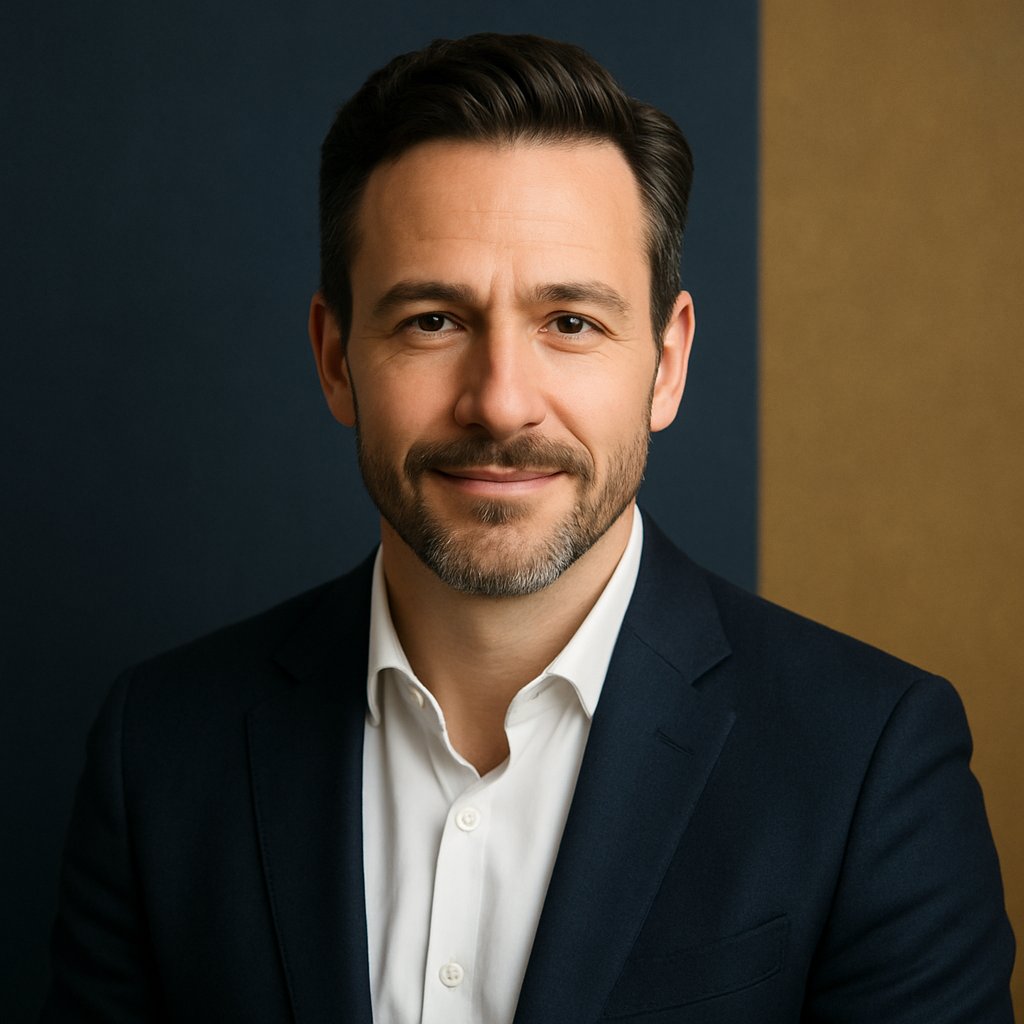
ABOUT THE AUTHOR
Cole Remington Mercer
Performance Coach & Former Wall Street Analyst
Former Wall Street analyst turned performance coach — burned out at 33, rebuilt from scratch, and now writes Vivaunu for one reason: the gap is not knowledge, it’s execution.
Full story →The 7-Day High-Performer Reset
Cole Remington Mercer’s complete protocol — main guide, daily workbook & checklist. Rebuild your focus and mental clarity in one week.
Get the Free Ebook →No spam. Unsubscribe any time.
Recommendations from Cole
Tools and resources I personally stand behind. No fluff — only what I'd actually use.
MINDSET RESET
Break the Beliefs Keeping You Broke
Your bank account is a reflection of what you believe you deserve. I wrote this guide to tear down the hidden mental blocks around money and install a new operating system — one built for growth, not survival. Nine dollars. No excuse.
Get the Guide — $9.99 →WEALTH MINDSET
The Mental Game of Wealth
Most people lose the money game before they ever play it — because the real battle is internal. This course is the deep-dive framework for anyone who wants to stop thinking small and start building the financial life they actually deserve.
Rewire Your Money Mindset →PASSIVE INCOME
How Passive Income Actually Works
An 8-figure marketer is breaking down his exact system in a free webclass. If you've ever wanted to build income that runs without you, this is one of the most practical, no-nonsense explanations I've come across.
Claim Your Free Webclass Spot →WEALTH BUILDING
The Crypto Play Nobody Is Talking About
An insider who bought Bitcoin when it was $1 — and still holds it — is going public with what he's watching next. If you're building serious wealth, this is worth 20 minutes of your time.
Watch the Insider Reveal →FUTURE SKILLS
The Skills That Define the Next Decade
AI, Python, digital fluency — the gap between people who understand this technology and those who don't is becoming the defining career divide. This program gets you on the right side of it, fast.
Future-Proof Your Career →
The Art of Resilience: Building Mental Fortitude